
No kind of case gets dismissed faster than a rear-end collision injury claim Los Angeles drivers bring, often by the very person who was hurt. You get tapped from behind in stop-and-go traffic on the 405, the bumpers barely show it, you feel okay, and you tell the other driver not to worry about it. Then two days later you can’t turn your head, your hand is tingling, and a headache won’t quit. By then you may have already told an insurance adjuster you were fine.
This is the trap. Low-speed rear-end crashes look minor and frequently aren’t. The injuries hide behind a calm first hour, and the insurance system is built to take advantage of exactly that gap. Here’s why a rear-end claim is still valid under California law even when the car looks fine, why your worst injuries can show up days later, and why settling fast is the most expensive mistake you can make.
Why the 405 produces so many of these crashes
The 405 is one of the most congested freeways in the country, and its daily rhythm, long crawls punctuated by sudden stops, is a machine for producing rear-end collisions. A driver looks down for a second, traffic stops short, and the car behind taps the one ahead at 10 or 15 miles per hour. Add the merges near the 10 and the 101, the Sepulveda Pass grade, and constant lane changes, and you get thousands of low-speed impacts that drivers wave off at the scene.
The speed is low. The forces on your spine and neck are not. Your head weighs about as much as a bowling ball, and a sudden jolt whips it forward and back faster than your muscles can brace. That motion, not the dent in your bumper, is what hurts you.
Why a low-speed crash can still cause serious injury
The single biggest myth in these cases is that minor vehicle damage means minor injury. It doesn’t. The energy of the impact transfers into your body, and a body absorbs force very differently than a steel bumper does.
The reason you often feel fine at the scene is chemical. A crash triggers your fight-or-flight response, flooding your system with adrenaline and cortisol. Those hormones are built to keep you functional through a threat, and a side effect is that they mask pain. As they clear over the next 24 to 72 hours, the inflammation, muscle spasm, and nerve irritation underneath finally surface. This delayed onset isn’t rare or suspicious. Research suggests up to half of people in motor vehicle collisions develop symptoms only after initially feeling fine.
And the injuries hiding under that calm first hour are not always “just” sore muscles. A rear-end jolt can cause:
- Whiplash and cervical soft-tissue damage, which can become chronic neck pain lasting months.
- Herniated or bulging discs, where the spinal cushioning tears or shifts, sometimes pressing on nerves.
- Nerve damage, signaled by numbness, tingling, or weakness in an arm or hand.
- Concussion or traumatic brain injury, even without hitting your head, because the brain shifts inside the skull during the whip motion.
- Internal injuries, where the seatbelt restrains you but your organs keep moving.
Headaches that build over days can point to a concussion. Back pain that creeps in can mean a disc, not a bruise. None of these track with how the bumper looks.
Why your rear-end collision injury claim in Los Angeles is still valid
Here’s the legal reality the “it was minor” framing ignores: if another driver’s carelessness hurt you, you have a claim, and rear-end cases are usually among the strongest there are.
California law expects every driver to leave enough room to stop. Under Vehicle Code 21703, a driver may not follow another vehicle more closely than is reasonable and prudent for the speed, traffic, and road conditions. When a driver tailgates and can’t stop in time, that violation is powerful evidence of fault. The basic speed law, Vehicle Code 22350, can apply too.
People often call this the “rear driver is automatically at fault” rule, but that’s not quite right, and the precision matters. The rear driver is usually presumed at fault because of the following-distance duty, but that presumption can be rebutted. Fault can shift to the lead driver if they reversed into you, brake-checked, cut you off, or were driving with broken brake lights. And because California uses pure comparative fault, blame can be split, with your recovery reduced by your share but not eliminated. In most ordinary rear-end crashes, though, the law starts heavily on your side.
Why the injury is the case, not the bumper
Liability in a rear-end case is often the easy part. The real fight is over your injuries, and that’s exactly where insurers attack. They point at the photos of two barely-scratched bumpers and argue that a crash that gentle couldn’t have hurt you. It’s a persuasive-sounding argument that happens to be medically false. Vehicle damage does not measure injury severity. Medical evidence does.
That’s why what you do in the days after the crash decides the case. Getting examined early, even if you feel okay, creates the medical record that ties your delayed symptoms to the collision. Wait two weeks to see a doctor and the insurer will argue your herniated disc came from something else. Early documentation is the bridge between the crash and the injury, and without it, a real injury can look like an afterthought.
The mistake that costs the most: settling too fast
Insurers know your injuries may not have surfaced yet. That’s often why the quick offer arrives, a few thousand dollars, a fast check, a release to sign, all before you’ve seen a specialist or learned that your neck pain is a disc.
Here’s the problem: a settlement is final. When you accept and sign the release, you give up the right to ask for anything more, ever, for that crash. If you settle for the cost of a couple of doctor visits and then need surgery six months later, that bill is yours. You cannot reopen it. This is the single most expensive mistake people make in a rear-end claim, and it’s entirely avoidable by not signing until your medical picture is actually clear.
There’s a coverage angle too. California’s minimum auto insurance is now 30/60/15, meaning a minimum policy may carry only $30,000 in bodily injury coverage per person. A serious spinal injury can blow past that quickly, which makes identifying every available policy, including your own underinsured motorist coverage, part of getting fully compensated. Another reason not to take the first number offered.
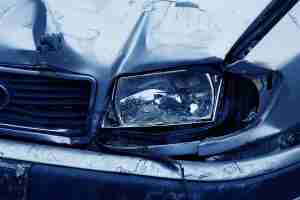
When the injuries are serious
Plenty of rear-end crashes really are minor. But when they aren’t, the consequences are lasting. A herniated disc can mean surgery and permanent restrictions. A traumatic brain injury can change concentration, mood, and the ability to work. Chronic nerve pain can follow someone for years.
These cases need real medical forecasting and life-care planning, not a quick payout, because the costs, future treatment, lost earning ability, and the toll on daily life, stretch well past the initial ER visit. When an injury limits your ability to work, that lost earning power has to be calculated and proven. In rare, severe cases, a crash is fatal, and California’s wrongful death law gives the family two years to file. Serious cases need this full-lifetime accounting, which is the work Ravan Law is built around.
As for compensation, California separates it into economic damages (medical bills, future care, lost income) and non-economic damages (pain, suffering, and lost enjoyment of life). Punitive damages are separate and rare, available under California Civil Code 3294 only with strong proof of malice, oppression, or fraud, for instance, a driver who was drunk or driving recklessly.
What to do after a rear-end crash on the 405
- See a doctor within a day or two, even if you feel fine. Delayed symptoms are normal, and early records protect both your health and your claim.
- Call the police and get a report, especially on a freeway.
- Photograph both vehicles, the lane, and the scene. Damage patterns matter later.
- Get the other driver’s information and any witness contacts.
- Don’t admit fault at the scene, and don’t tell anyone you’re “fine” before you’ve been examined.
- Do not give a recorded statement to the other driver’s insurer, and do not accept a fast settlement, before talking to a lawyer.
- Remember the deadline. You generally have two years from the crash to file a personal injury lawsuit under California Code of Civil Procedure 335.1. If a government vehicle was involved, like a city bus or public works truck, a much shorter six-month claim deadline can apply.
Frequently Asked Questions
Can I still file a claim if the crash was low-speed and the car barely has damage?
Yes. Vehicle damage doesn’t measure injury; a low-speed crash can still cause serious neck, spine, and nerve damage.
Why do my injuries hurt more days after the accident?
Adrenaline masks pain at first; as it clears over 24 to 72 hours, whiplash and disc injuries surface.
Is the rear driver always at fault in California?
Usually, but not automatically. The presumption can be rebutted if the lead driver brake-checked, reversed, or had broken brake lights.
Should I take the insurance company’s first settlement offer?
Be very careful. A settlement is final, so signing before your injuries are diagnosed forfeits anything that surfaces later.
How long do I have to file in California?
Generally two years from the crash under CCP 335.1, though a claim involving a government vehicle can carry a six-month deadline.
Talk to attorney Ted H. Ravan directly
If you were rear-ended on the 405 or anywhere in Los Angeles and you’re being told it was “too minor” to matter, get a real read on it before you sign anything. The injuries that define these cases often don’t surface for days, and the first settlement offer almost always comes before they do. Contact Ravan Law to speak directly with attorney Ted H. Ravan, who can make sure your injuries are documented and valued properly before any deadline or quick check closes the door. You get the attorney, not a case manager.
Attorney Advertising. Ted Ravan, Ravan Law, Los Angeles, CA. This content is general information, not legal or medical advice. Every case depends on its specific facts. If you have been injured, seek medical evaluation promptly.
